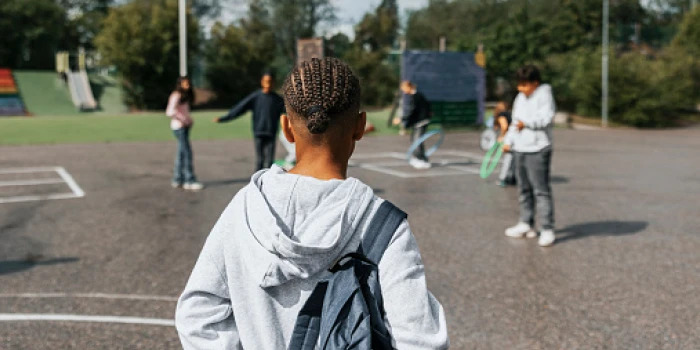
When students feel safe, they’re more likely to learn, participate, and thrive. But bullying can quietly chip away at that sense of safety—sometimes in ways that aren’t obvious at first glance.
For school leaders, recognizing the early signs and knowing how to respond can make all the difference. Here’s a practical overview you can share with staff and use to strengthen your prevention and reporting efforts.
Signs of bullying
Bullying isn’t just a playground problem. It can happen in classrooms, hallways, locker rooms, on buses, and online. While every situation is different, common red flags include:
- Unexplained injuries or damaged belongings
- Sudden changes in behavior, such as withdrawal or irritability
- Avoiding certain areas of the school or specific classmates
- Frequent nurse visits with vague complaints (headaches, stomachaches)
- Declining grades or loss of interest in activities
For example, a student who once eagerly raised their hand may suddenly stop participating. Or a child who loved riding the bus may start begging for a ride to school instead. These shifts often signal something deeper.
Encouraging staff to document patterns—not just isolated incidents—can help identify concerns early.
Signs of emotional bullying
Not all bullying leaves visible marks. Emotional bullying can be subtle but just as damaging. Signs of emotional bullying may include:
- Name-calling, teasing, or mocking that feels persistent or targeted
- Exclusion from groups or activities
- Spreading rumors
- Public embarrassment, such as humiliating comments in front of peers
Students experiencing emotional bullying may appear anxious, unusually quiet, or overly eager to please. They might avoid group work or seem on edge during social interactions.
A practical step for schools: Train staff to look beyond “kids being kids.” Repeated patterns of exclusion or humiliation—especially when there’s a power imbalance—warrant attention.
Studies show that intervention of one caring adult is often a key factor in suicide prevention. Don’t hesitate to be that caring adult.
Signs of online bullying
Digital communication has expanded the reach of bullying beyond school hours. Online bullying (cyberbullying) can feel relentless because it follows students home. Signs of online bullying include:
- Sudden reluctance to use devices or, conversely, distress after checking them
- Emotional reactions (anger, tears, anxiety) after being online
- Secretive behavior about social media or messaging apps
- Posts or messages that target, threaten, or humiliate a student
Because much of this happens off-campus, students may hesitate to report it. Schools can help by clearly communicating that online behavior affecting the school environment is taken seriously, even if it happens after hours.
Providing easy, confidential reporting channels can make students more comfortable coming forward.
Additional signs of being bullied
Sometimes the clearest indicator is a change in the student themselves. Signs of being bullied may include:
- Changes in sleep or appetite
- Loss of confidence or negative self-talk
- Increased absenteeism
- Requests to change schedules or classes
In more serious cases, students may express feelings of hopelessness or fear about coming to school. These concerns should be addressed immediately and in alignment with your district’s policies.
Encourage staff to trust their instincts. If something feels “off,” it’s worth checking in.
Steps to report and respond
Clear reporting procedures are just as important as prevention efforts. Consider reinforcing these best practices:
- Make reporting simple and visible: Post clear instructions in student handbooks, on your website, and in classrooms
- Encourage multiple reporting options: In-person reports, anonymous tip lines, and digital forms can lower barriers
- Document thoroughly: Record dates, times, witnesses, and actions taken
- Respond promptly and consistently: Follow district policy and communicate next steps to families as appropriate
- Monitor after the fact: Check back in with students to ensure the behavior has stopped and retaliation is not occurring
When staff know what to look for—and students know they’ll be heard—schools are better positioned to create a culture where bullying is addressed early and handled appropriately.
A safe environment doesn’t happen by accident. It’s built through awareness, clear processes and consistent follow-through.
Get in touch
Need help? We’re here for you! Whether you have questions or need personalized assistance, your local office is ready to support you.
Loss Control Insights
Stay informed with the latest news and receive actionable safety tips, all carefully curated by our team of experts.